The One Nutrient That’s Vital for Your Health, and Almost No One Is Getting Enough!
By Dr. Ronald Vaught | Functional Medicine | Beyond Health and Wellness, Oak Forest, IL
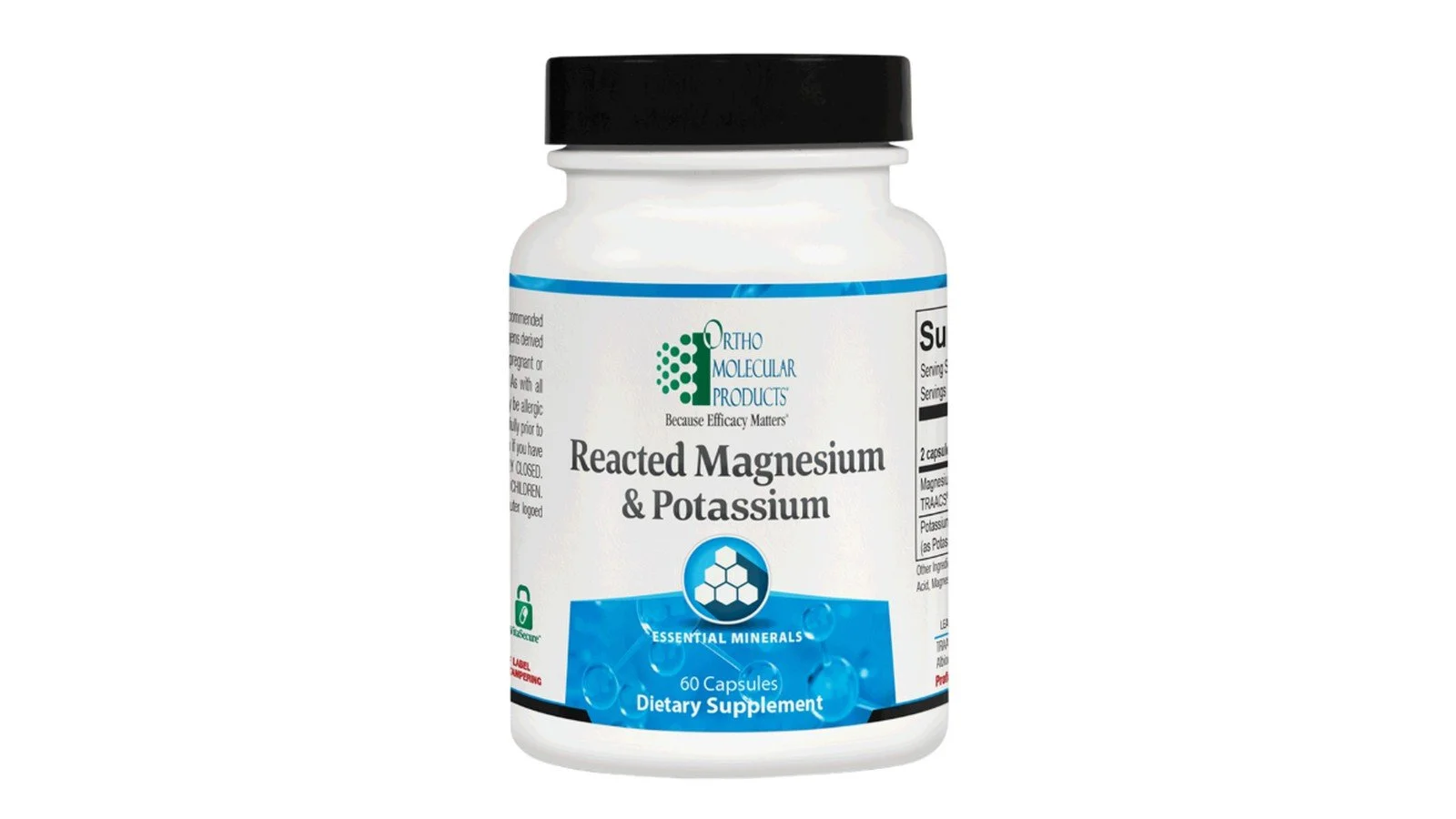
Nearly half of Americans don't get even the minimum amount of magnesium they need from food. "What?" you say. "My doctor draws my blood every year and never said a word about my magnesium!"
There's a good chance magnesium isn't even on your panel. If it is, I guarantee you it's your serum magnesium, and less than 1% of your body's magnesium lives in your blood. Your body fights hard to keep that blood level steady, pulling magnesium from your bones and tissues to do it. So your blood is the last place an insufficiency ever shows up. (If it shows up there, you're in deep do-do already.)
Dr. Norman Shealy once said, "Every known illness is associated with a magnesium deficiency." Bold? Sure. But once you see how much this one mineral does, you start to understand why he said it.
WHAT MAGNESIUM DOES FOR YOU
Magnesium is a helper in a staggering number of processes in your body. Dr. Carolyn Dean, author of The Magnesium Miracle, counts more than 700 of them. Even the conservative NIH puts it at over 300 enzyme systems. Either way, that's a lot of jobs riding on one mineral! And here's my favorite fact: ATP, the energy currency of every cell you own, has to be bound to magnesium to work. No magnesium, no usable energy. Do I really need to explain why running low leaves you dragging?
Magnesium also keeps the electrical activity in your heart, nerves and muscles stable. Think of calcium as the gas pedal that tightens muscles, and magnesium as the brake that lets them relax. The standard American diet is heavy on the gas and light on the brakes. That gives us a whole lot of uptight people!
SIGNS YOUR MAGNESIUM MAY BE INSUFFICIENT
Because magnesium touches nearly every organ, the signs are all over the map:
Heart and circulation: palpitations, irregular heartbeat, high blood pressure
Nervous system: anxiety, irritability, poor focus, numbness and tingling
Muscles: cramps, charley horses, muscle and eyelid twitches, tension and aches
Everything else: poor sleep, fatigue, PMS, headaches, constipation
Poor sleep and low energy are often the very first clues.
WHY ARE WE SO LOW?
It's multifactorial, my friends:
Depleted soils and farm chemicals. Decades of monocropping have stripped minerals from our farmland. On top of that, some pesticides, like glyphosate, are chelators. That means they latch onto minerals such as magnesium and can make them less available to the plants we eat (and to us).
Refined, high-carb diets. Your body burns through magnesium processing sugar and refined carbs.
Insulin resistance and diabetes. These drive more magnesium out through the kidneys, and low magnesium makes insulin resistance worse. A vicious circle!
Stress, alcohol and caffeine. All three increase how much magnesium you lose.
Common medications. More on that below.
Not drinking enough water. Magnesium needs a water-based (aqueous) environment to be absorbed and to do its job in your cells. If you're running on coffee and soda all day, your magnesium can't work the way it should.
CHECK YOUR MEDICINE CABINET
Two very common drug classes drain magnesium:
Acid blockers (PPIs) like omeprazole, esomeprazole and lansoprazole. The FDA has warned that long-term use, usually over a year, can cause low magnesium.
Water pills (diuretics) like furosemide and hydrochlorothiazide, which flush magnesium out through the urine.
If you take one of these, don't stop it on your own. Ask your provider to check your magnesium.
HOW TO TEST IT THE RIGHT WAY
Ask for an RBC (red blood cell) magnesium test instead of plain serum. It looks at what's stored inside your cells, which tells you much more. We run it here as part of our functional medicine lab work.
WHICH FORMS ACTUALLY WORK
Not all magnesium is created equal. The cheapest form on the pharmacy shelf is also one of the worst.
Better choices:
Magnesium glycinate: gentle on the gut and a great everyday choice for long-term repletion, sleep and calm.
Magnesium malate: malate is part of your cells' energy cycle, so this is a nice pick for fatigue and muscle aches.
Magnesium threonate: studied for its ability to reach the brain. A good fit when focus, memory or mood is the main concern.
Magnesium citrate: well absorbed, and handy if you also battle constipation.
Poorer choices:
Magnesium oxide: the most common pharmacy form, but poorly absorbed (as little as 4% in one study) and the most likely to send you running to the bathroom.
Magnesium sulfate (Epsom salt): fantastic in a bath, not a daily supplement to swallow.
Magnesium aspartate and glutamate: these are bound to amino acids that can overstimulate nerve cells, so I steer patients away from them.
HOW MUCH SHOULD YOU TAKE?
Here's where I'm going to slow you down. Have you ever heard of "bowel tolerance"? You start low and increase slowly until your stool gets soft, then back off to the last dose that felt fine. It's a time-tested way to find your number, but it's best done with a practitioner guiding you, not on your own. Test first, then dose with us.
Talk to us before taking magnesium if you: have kidney disease, or take antibiotics, osteoporosis drugs (bisphosphonates) or heart medications. Timing and dose matter with all of these.
And don't forget food! Pumpkin seeds, chia seeds, almonds, cashews, spinach and other dark leafy greens, avocado, and dark chocolate (yes, really) are all great sources.
TRY THIS LITTLE EXPERIMENT
Make a list of every symptom, complaint and health issue you deal with, and put it away in a drawer. Get your levels checked, start the right form of magnesium at the right dose, and stick with it faithfully for a month. Then make a new list and compare the two... Shazzzzamm!
WHERE TO GET QUALITY MAGNESIUM
Supplements aren't regulated like medications, and quality varies a lot. That's why we recommend professional-grade brands through our Fullscript store. Your order ships right to your door, and you know exactly what you're getting.
Beyond Health and Wellness receives a portion of sales made through our Fullscript store.
READY TO FIND OUT WHERE YOU STAND?
If you're in Oak Forest, Tinley Park, Orland Park, Midlothian or anywhere in the south suburbs and you're tired of feeling tired, let's test instead of guess.
Call (708) 907-0700 or learn more about our Functional Medicine program.
Yours in health and happiness,
Dr. V
Beyond Health and Wellness, 15000 S Cicero Ave, Suite 100, Oak Forest, IL 60452
This article is for general education and isn't a substitute for a personal medical evaluation. Talk with your provider before starting supplements or stopping or changing any medication.
Sources: NIH Office of Dietary Supplements, Magnesium Fact Sheet for Health Professionals; U.S. FDA Drug Safety Communication on proton pump inhibitors and low magnesium (2011). Further reading: Carolyn Dean, MD, The Magnesium Miracle.